
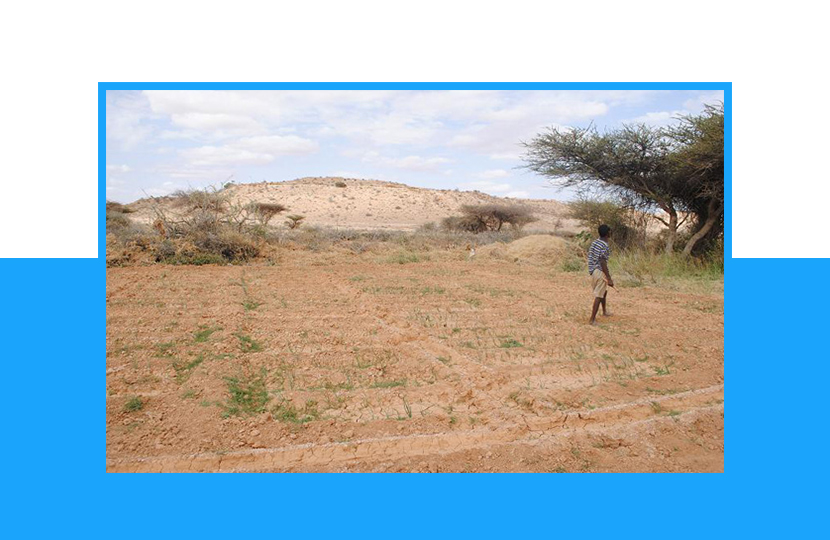
Mogadishu – Somali authorities and the United Nations Office for the Coordination of Humanitarian Affairs (OCHA) have warned that the drought crisis in Somalia is worsening, with more than 4.6 million people—nearly a quarter of the population—affected by prolonged dry conditions.
At least 120,000 people were displaced between September and December due to rising water prices, food shortages, and livestock deaths. The situation is expected to further deteriorate during the upcoming dry season from January to March, as water scarcity intensifies, livestock losses increase, and food insecurity deepens.
The current drought follows consecutive periods of below-average rainfall between April and June and again from October to December. Humanitarian organizations are providing cash assistance, livestock feed, and water rehabilitation services, supported by a $10 million allocation from the UN Central Emergency Response Fund (CERF), targeting more than 603,000 people.
However, OCHA has warned that overall funding levels remain critically low. Somalia’s $1.4 billion Humanitarian Response Plan has received only around $370 million to date, leaving major gaps in life-saving assistance.
Authorities and humanitarian partners caution that the coming months will be decisive in preventing further displacement and loss of life, underscoring the urgency of scaling up humanitarian funding and early response measures.
From a policy perspective, the drought highlights the intersection of climate shocks, displacement, and humanitarian financing constraints, raising concerns about resilience, early warning response, and donor fatigue.


